
Common Myths About China Influencer Marketing Debunked


Understanding China Influencer Marketing
China's influencer marketing scene is dynamic and rapidly evolving, yet it is often misunderstood by those outside of the market. Many myths and misconceptions can lead to misguided strategies and missed opportunities. Here, we'll debunk some of the most common myths about China influencer marketing.
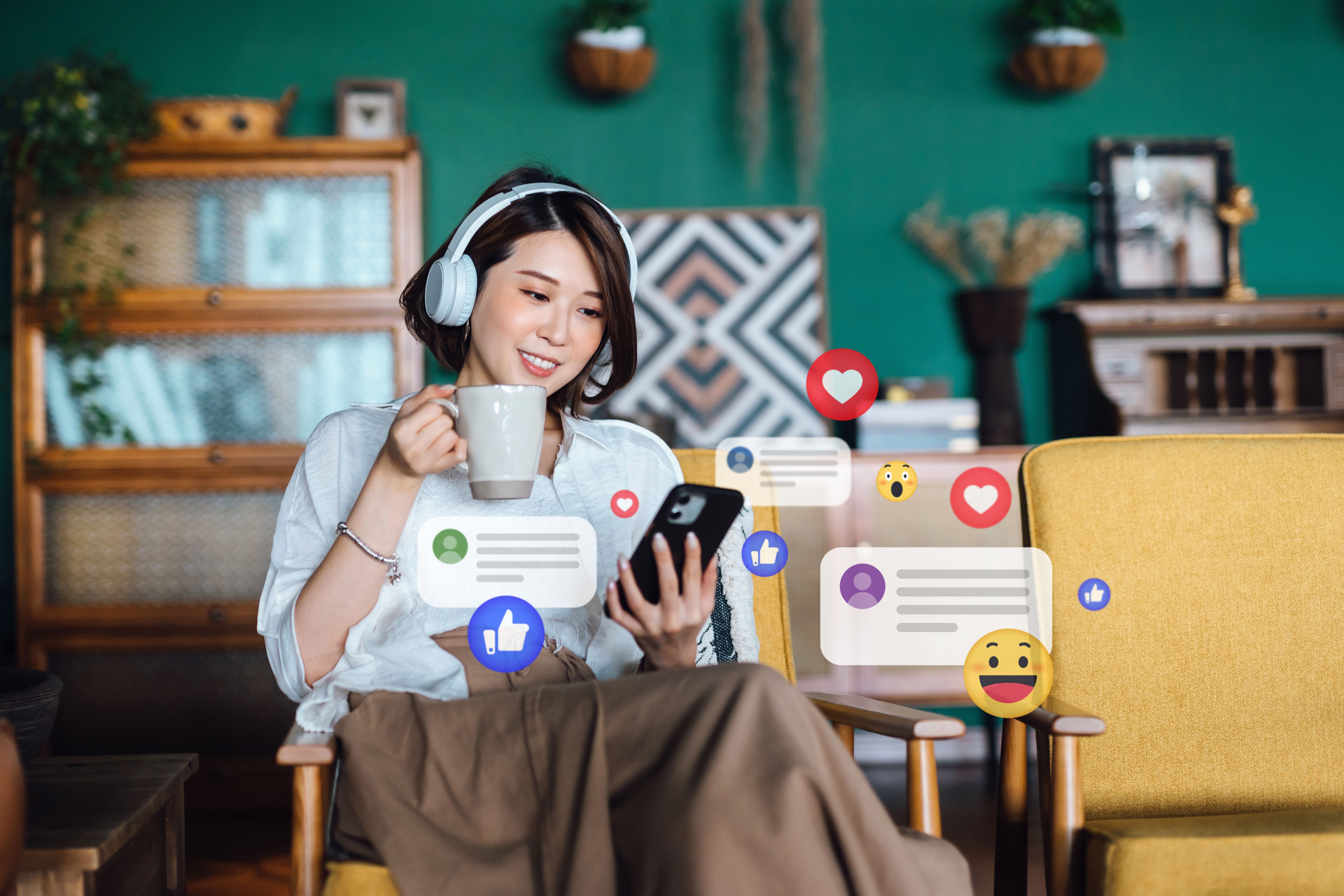
Myth 1: Influencer Marketing in China is the Same as in the West
One of the biggest misconceptions is that influencer marketing in China operates similarly to Western markets. In reality, China's digital landscape is unique, with platforms like Weibo, WeChat, and Douyin being central. These platforms have different user behaviors and engagement patterns compared to Instagram or Facebook. Understanding these distinctions is crucial for effective marketing.
Additionally, Chinese consumers often trust influencers, or "Key Opinion Leaders" (KOLs), more than traditional advertising. This trust plays a significant role in purchase decisions, making KOLs a vital part of brand strategy.
Myth 2: Bigger Influencers Always Mean Better Results
It might seem logical to assume that influencers with massive followings guarantee better results, but this is not always the case. In China, micro-influencers and niche KOLs often deliver more engagement and conversions. These influencers have highly engaged audiences who trust their opinions and are more likely to act on their recommendations.
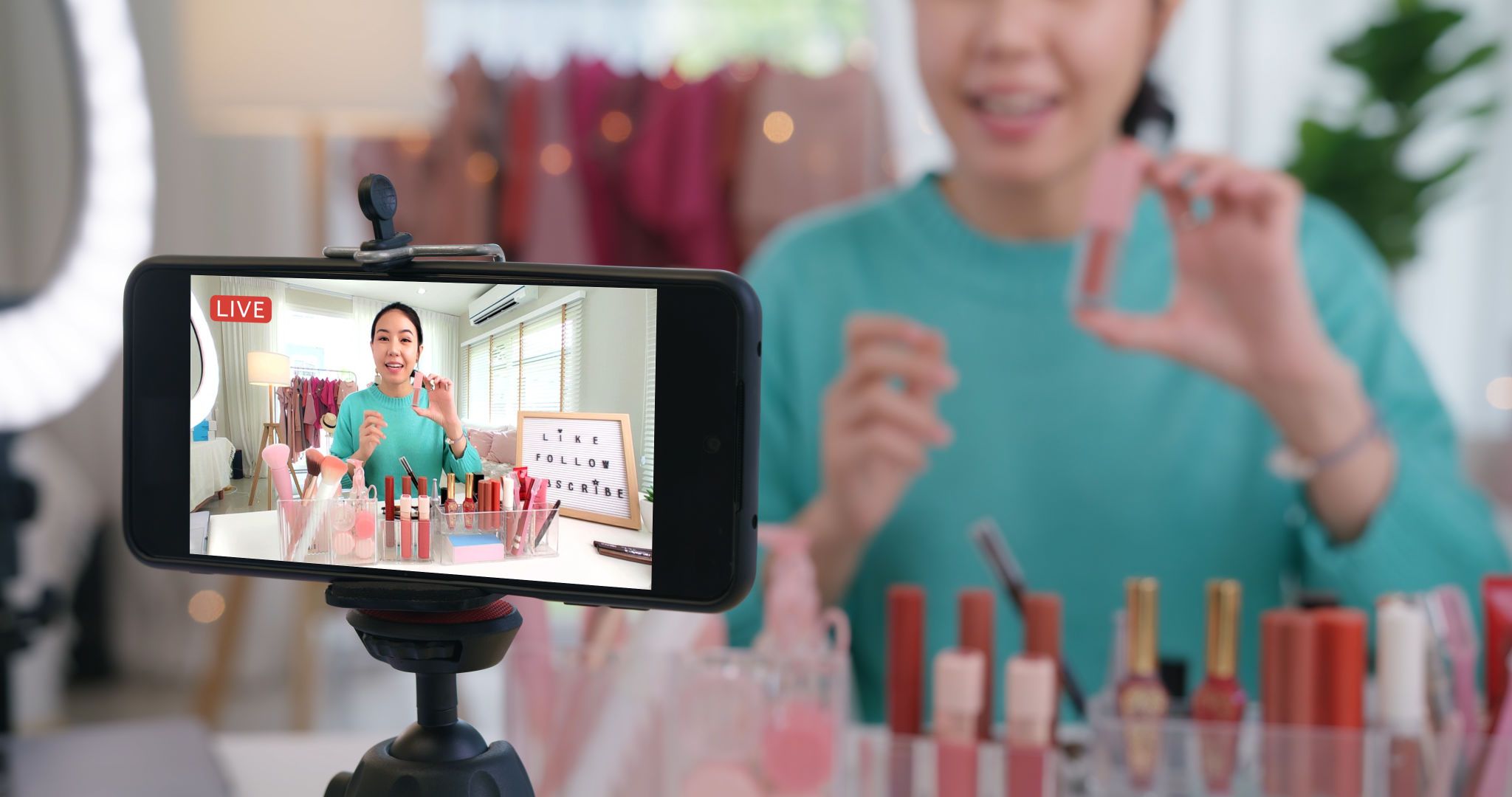
Brands should focus on the relevance of the influencer's audience rather than just the size. Aligning the brand message with the right KOL can lead to authentic and impactful campaigns.
Myth 3: Influencer Marketing is Only for Luxury Brands
While luxury brands have seen significant success with influencer campaigns in China, they're not the only beneficiaries. From beauty and fashion to tech and consumer goods, various industries have successfully leveraged KOLs to reach their target markets. The key is to tailor the strategy to the specific industry and audience needs.
Myth 4: ROI is Hard to Measure
Many marketers believe that measuring ROI from influencer marketing in China is challenging. However, with the right tools and metrics, brands can effectively track performance. Metrics like engagement rates, conversion rates, and sales attribution are essential in understanding the impact of influencer campaigns.

Working with local agencies can also provide deeper insights and access to analytics that are specific to the Chinese market, ensuring a clearer picture of campaign success.
Myth 5: Short-Term Campaigns Yield Quick Results
Another common belief is that short-term influencer campaigns will lead to immediate results. In reality, building brand awareness and trust in China often requires a long-term approach. Consistent collaboration with influencers helps in establishing a strong brand presence and credibility.
Investing in ongoing relationships with KOLs can foster loyalty and sustain consumer interest over time, leading to more sustainable growth.
Conclusion
Understanding and navigating the nuances of China’s influencer marketing landscape is crucial for any brand looking to succeed. By debunking these myths, marketers can develop more effective strategies that resonate with Chinese consumers and drive meaningful results.